Comprehensive freelance editing for academic books and popular nonfiction
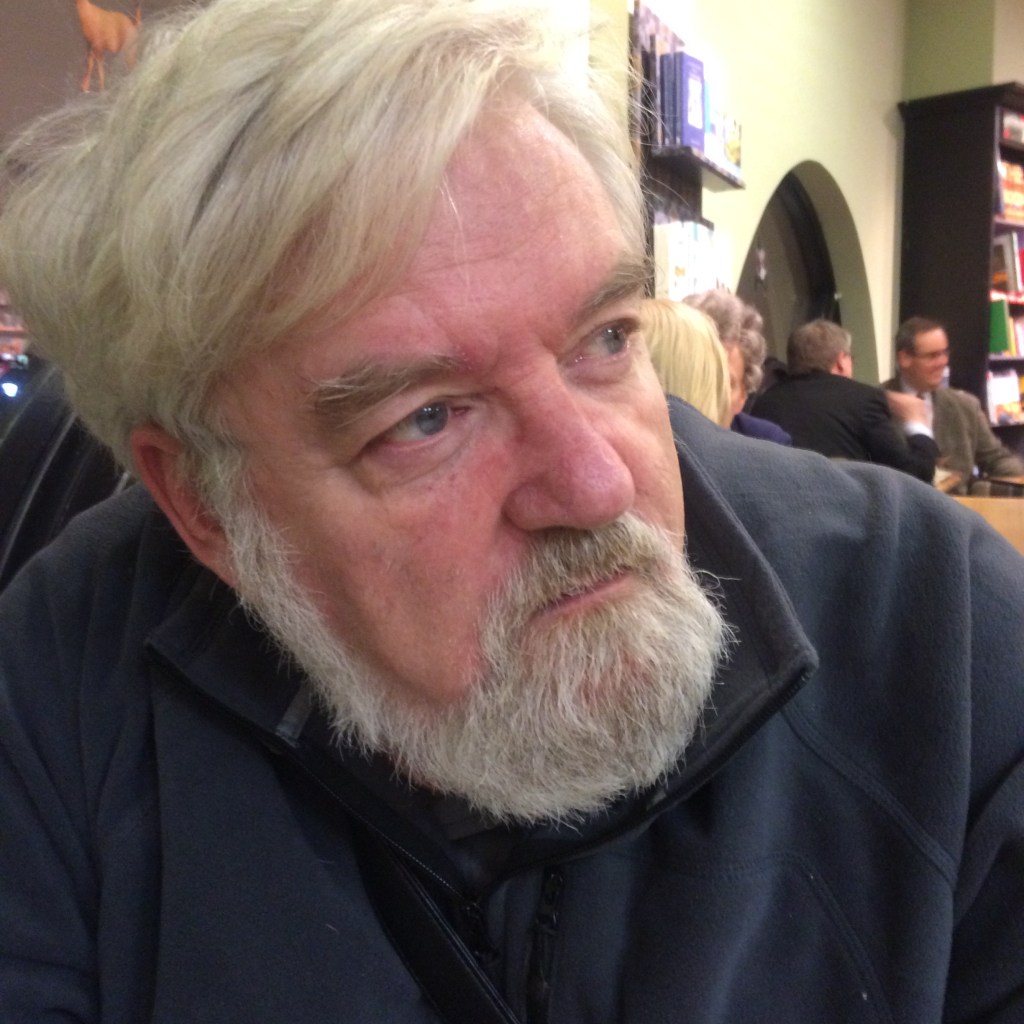
MY SPECIALIST AREAS: I specialize in PHD theses, academic books, reports and popular nonfiction. And I have considerable experience in helping people turn a thesis into a publishable book.
I prefer to work with people who are nearing the end of a PhD, who have completed a PhD, or who have published journalism, articles, fiction or nonfiction. I will read your manuscript first before we agree to work together.
DISCIPLINES: I have published books in history, politics, anthropology, gender and sexuality, trade non-fiction and popular science. I truly know what I am doing there. I have edited three technical reports about climate change. I have also edited books in social work and musicology, and I feel confident in related fields like geography and sociology. And if it’s economics or psychology, let’s talk.
I have also written novels for both adults and young people but am not editing them.
IF ENGLISH IS NOT YOUR MOTHER TONGUE: I have edited work for people whose mother tongue is Cantonese, Farsi, German and Portuguese. Generally, what people know they need is an edit that corrects all the grammatical mistakes. I do more than that. My aim is a text that flows naturally in English. Some of this editing is about word choice, but a surprising amount is about sentence structure, moving words and clauses around, and breaking up long sentences into shorter ones.
AMERICAN AND ENGLISH: I grew up in the United States and now live in Britain. I am comfortable editing in either dialect.
FEES; For a comprehensive edit: £30 or $38 for 1,000 words.
That’s £3,000 or $3,800 for a 100,000 word book.
You pay me half the total before I begin work, and half when I finish the edit.
MY EXPERIENCE
EDITING: From 2003 to 2008 I worked as a casual freelance sub-editor (copy editor) for a range of magazines in London.
From 2003 to 2014 I was half-time Senior Lecturer in Creative Writing at Bath Spa University in England. I was the department’s specialist in creative nonfiction. I did some undergraduate teaching, but I also supervised more than 20 MA theses and four PhD theses. The core of the supervising work was the kind of detailed editing I can do for you.
Of course, I edit my own work endlessly. And I have done a great deal of editing articles, chapters, theses and books for friends over the years.
WRITING: The quick way to get a sense of my writing is to read my article “Social Collapse and Climate Breakdown” on The Ecologist website (https://theecologist.org/2019/may/08/social-collapse-and-climate-breakdown).
My books include:
Novels for adults: The Laughter of Heroes and Mutineers
Novels for young people: Lost at Sea and Himalaya
History: The Cutlass and the Lash, A People’s History of the Vietnam War and Tigers of the Snow
Politics: You are G8 – We are 6 Billion and What’s Wrong with America
Climate: Stop Global Warming and Fight the Fire: Green New Deals and Global Climate Jobs [available as a free download here].
My latest book, written with Nancy Lindisfarne, is Why Men? A global history of violence and inequality-*.
CONTACT: My email is lindisfarne.neale@gmail.com. Do write if you have questions. Then please send me two things. One is 200 words about yourself. It’s not a pitch. Just tell me what you are working on, what you need, and what experience you have that’s relevant.
At the same time send me a copy of your manuscript, as far as you have got with it. Then I can look at it and quickly see if I am the right person to help you. The manuscript does not have to be complete, and it does not have to be a final draft. But I need most of it to be there, and not simply a raw first draft. Then we have a zoom call, get to know each other, and hopefully agree to work together and set a timetable.
THE PROCESS
WHAT I DO: I offer what is usually called a “developmental edit”. That means a full-on, old-school manuscript edit.
Before I begin, we have a talk about what audience you are aiming for. That helps me to know what style and register you need. Then I go through the manuscript, line by line, looking for places to change the choice of words and ways to rearrange the sentences so they read more easily. And I look for grammatical and spelling mistakes, and at formatting in footnotes, which can be a real pest.
I also look for text that can be condensed to read more easily. There I chop words and phrases. I move sentences and paragraphs around so the logic or the timeline makes more sense. Often, I can see there needs to be a sentence or two to begin a section or a chapter, and frame it for the reader. If I see that, I have a try at writing it myself, often using your words from elsewhere in the chapter.
For most of these changes, I don’t explain or query in the comments. I just edit. I have learned I can trust the writer to see the logic of what I am doing.
I will send you the edited manuscript in two versions. One has all the track changes so you can see what I did, accept what you like and reject what you don’t. I will also send you a final version without the track changes. Some people find it better to see the whole work afresh that way.
There are two areas where I do comment. One is where I suggest cutting several paragraphs. I have even been known to suggest letting go of a chapter. Sometimes this is unwelcome at first, but the writer usually sees my logic. It will be totally up to you whether you accept my suggestions. The other area where I comment is where I can see the text needs more – perhaps more detail, more context, more examples or more explanation.
WHAT I DON’T DO: This is an edit. I am not your co-writer, or a ghost writer. I use your words, edited and moved around. I don’t do new writing. I don’t try to change your politics or your intellectual approach. I may make suggestions about approaches you may not have thought of that might help. But those are only suggestions.
I don’t write proposals and cover letters to send to editors and publishers. I hate doing that for myself. I can point you towards good advice on how to do it.
I don’t do a final proofread. There are people who do that better than me.
TIMETABLE: You send me the first half of the payment by the agreed start date and I begin work on that date. I send you a finished edit within 60 days.
I may need to send some queries while I’m working, and maybe we will need a zoom call or two.
A week after I send the finished edit, after you have had time to digest it, let’s have a final zoom call. Remember, the final decisions on the changes are yours.
 Jonathan Neale - Book Editor